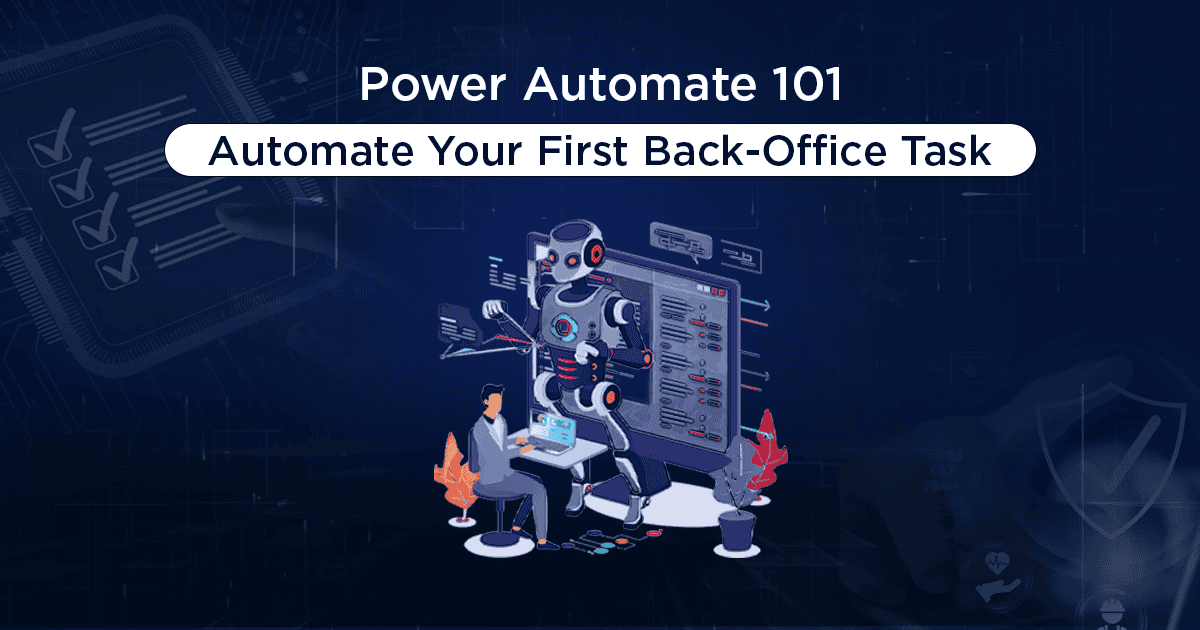
The back office does not look the way it used to. Not long ago, it meant stacks of paperwork, endless spreadsheets, and employees spending hours typing the same information into different systems. That picture is slowly disappearing.
What is replacing it is not just better furniture or new software, but intelligent AI assistants that quietly handle work in the background.
AI assistants have grown far beyond simple tasks like setting reminders or scheduling meetings. Today, they can manage complex workflows that once required full-time teams. As businesses grow and operations become more demanding, AI-driven automation is shifting from a “nice to have” to a real business necessity.
What Is Driving This Shift?
Much of this progress comes from advances in Machine Learning and Natural Language Processing. In simple terms, AI systems can now learn from data and understand language in a way that feels far more natural.
Older automation tools followed strict rules. If a document format changed or a process varied slightly, the system failed. Modern AI assistants are more flexible. They adapt.
In finance, for example, AI can review invoice descriptions and match them with payment records, even when the data does not line up perfectly. In HR, AI tools analyze employee feedback and detect patterns in sentiment, helping leadership understand morale without reading thousands of comments manually.
How AI Assistants Handle Complex Back-Office Tasks
The real strength of intelligent agents is their ability to understand context and take action, not just move data from one place to another.
Smarter data entry and extraction
AI combined with OCR can pull key information from unstructured documents such as scanned PDFs or handwritten forms and automatically update databases.
Customer support prioritization
AI can review incoming support requests, identify urgent issues, categorize them correctly, and even suggest responses based on past solutions before a human agent gets involved.
Compliance and risk monitoring
AI assistants can continuously monitor transactions and communications to flag potential compliance risks, reducing the chance of costly oversights caused by human fatigue.
By assigning these repetitive yet critical tasks to AI, businesses save time and significantly reduce errors.
Real Results in the Real World
The impact of AI is not theoretical. It is already changing how industries operate.
In logistics, AI systems analyze weather, traffic, and historical delivery data to predict disruptions and reroute shipments in real time. This leads to lower fuel costs and more on-time deliveries.
In insurance, claims that once took days to review can now be assessed in minutes. Companies using AI report faster resolutions, happier customers, and reduced operational expenses.
Challenges to Keep in Mind
Adopting AI does come with challenges.
Data security is a top concern, especially when AI systems access sensitive financial or personal information. Integration can also be difficult when older legacy systems do not easily connect with modern AI tools.
These challenges can be managed with the right approach. Starting with pilot projects, maintaining strong data governance, and working with experienced partners makes the transition smoother and safer.
Building the Future with Bradsol
The goal of AI in the back office is not to replace people. It is to remove repetitive work so teams can focus on decision-making, innovation, and growth.
This is where Bradsol helps. We specialize in AI-driven back-office solutions that align technology with real business needs. From streamlining HR operations to automating complex financial workflows, Bradsol makes AI practical, secure, and effective.